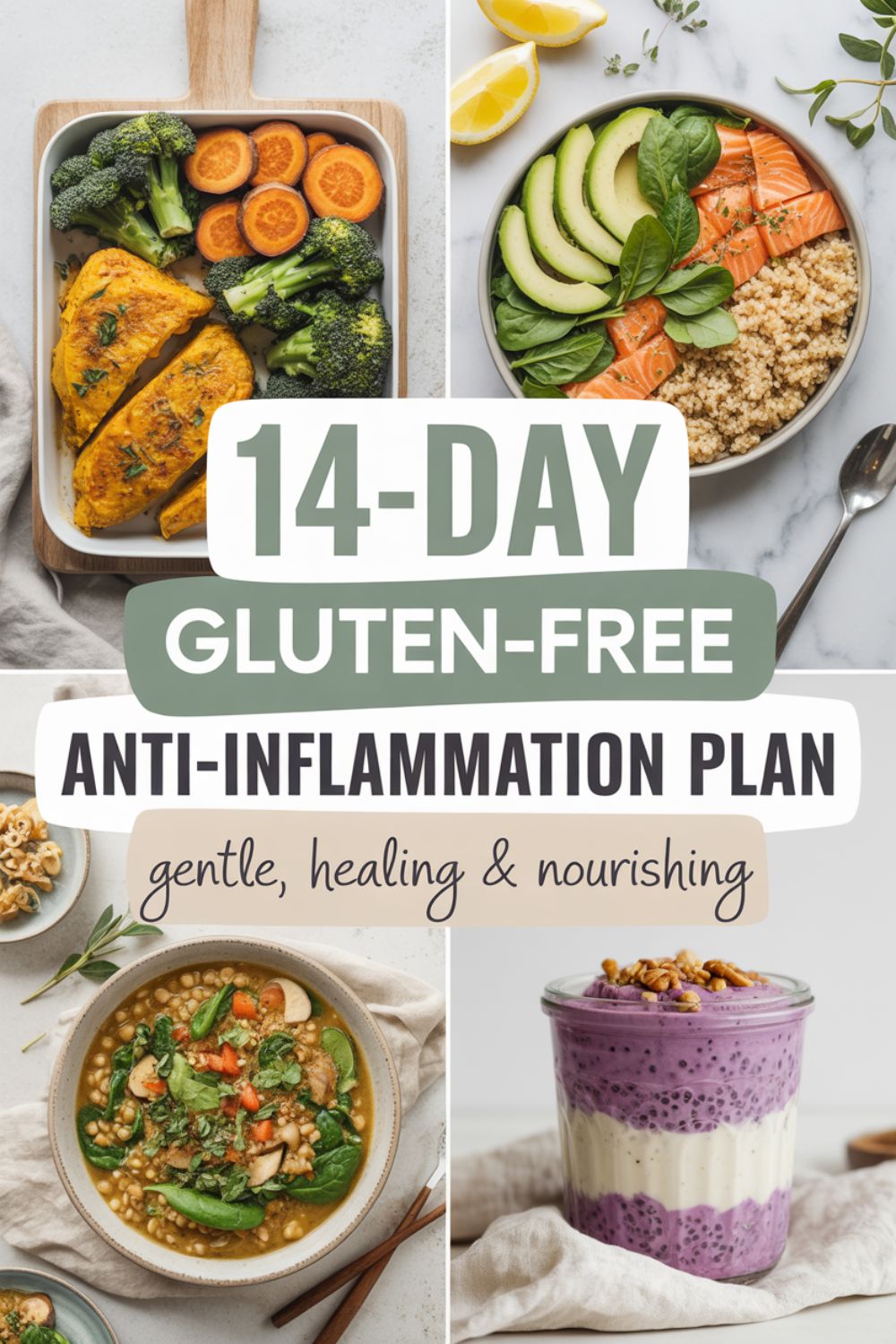
14-Day Gluten-Free Anti-Inflammation Plan
So you’re ready to tackle inflammation without gluten, huh? Smart move. I’ve been down this road myself, and honestly, the first two weeks are when you notice the biggest changes. Your energy picks up, that bloated feeling starts to fade, and suddenly your jeans don’t feel like they’re waging war against your waistline.
Here’s the thing about going gluten-free for inflammation: it’s not just about swapping regular bread for the sad, crumbly stuff at the store. It’s about building a plan that actually works with your life. No martyrdom required. I’m talking real food, actual flavor, and meals that don’t make you feel like you’re eating cardboard for health’s sake.
This 14-day plan strips out the gluten while loading up on foods that actively fight inflammation. Think colorful vegetables, omega-3s, and spices that do more than just taste good. We’re keeping it simple, practical, and dare I say, delicious.
Why Gluten and Inflammation Don’t Play Nice
Before we jump into meal plans, let’s talk about why gluten matters for inflammation. For some people, gluten triggers an immune response that cranks up inflammation throughout the body. According to research from the Gluten Intolerance Group, combining a gluten-free approach with anti-inflammatory foods can help calm gut inflammation and support better overall health.
Now, I’m not saying gluten is evil for everyone. It’s not. But if you’ve noticed joint pain, brain fog, or digestive issues, cutting it out for two weeks might reveal something interesting. Studies show that inflammatory responses can vary widely between individuals, and gluten sensitivity doesn’t always show up on standard celiac tests.
The cool part? When you remove gluten and replace it with nutrient-dense foods, you’re not just taking something away. You’re actively adding compounds that help your body manage inflammation better. We’re talking antioxidants, omega-3 fatty acids, and polyphenols that work at a cellular level.
Nordic Naturals Ultimate Omega – Liquid Gold for Inflammation
Look, eating salmon three times a week is ideal, but let’s be honest – it doesn’t always happen. This is where a quality omega-3 supplement becomes non-negotiable. Nordic Naturals is the brand I’ve trusted for years because their fish oil actually works and doesn’t taste like you licked a harbor.
The molecular structure matters here. These are in triglyceride form (what your body actually uses), not the cheap ethyl ester crap most brands sell. Third-party tested, sustainable sourcing, and you’ll actually see reduced inflammation markers in your bloodwork.
What Sets It Apart:
- 1,280mg omega-3s per serving
- Lemon flavor (no fishy burps)
- Pharmaceutical-grade purity
- Supports joint & heart health
- Certified sustainable fishing
Setting Up Your Anti-Inflammatory Kitchen
First things first: you need the right tools. I’m not talking about a complete kitchen overhaul, but a few key items make this plan infinitely easier.
Start with a good quality food processor if you don’t have one already. Making cauliflower rice, nut-based sauces, and veggie-packed dips becomes a breeze. I use mine constantly, and it’s saved me from ordering takeout more times than I can count.
Next up: glass meal prep containers. Plastic is fine, but glass doesn’t stain or hold odors, and you can reheat directly in them. Get a variety of sizes because you’ll be prepping different components. Trust me on this one.
You’ll also want a decent sharp chef’s knife. Chopping vegetables is half the battle here, and a dull knife makes it miserable. A sharp blade turns meal prep from a chore into something almost meditative. Well, on good days anyway.
NutriBullet Pro 900 Series – Anti-Inflammatory Smoothie Master
If you’re serious about this plan, you need a blender that can actually handle frozen berries, leafy greens, and nuts without choking. The NutriBullet Pro 900 is my go-to for daily anti-inflammatory smoothies. It pulverizes everything into silky-smooth perfection in under 60 seconds.
I’ve tested cheaper blenders, and they leave chunks, overheat, or die after a few months. This thing is a workhorse that makes nutrient extraction effortless. Plus, the cups are portable, so you can blend and go.
Why It’s Perfect:
- 900-watt motor crushes ice & frozen fruit
- Extracts nutrients from seeds & greens
- Easy cleanup (30 seconds max)
- Compact design saves counter space
- BPA-free cups with to-go lids
Pantry Must-Haves
Stock these and you’re halfway there:
- Quinoa and brown rice – Your gluten-free grain staples
- Extra virgin olive oil – Get a quality bottle you actually want to drizzle
- Turmeric, ginger, and cinnamon – The anti-inflammatory spice trifecta
- Wild-caught canned salmon – Omega-3s without the fresh fish price tag
- Nuts and seeds – Store them in airtight containers to keep them fresh
- Coconut aminos – A gluten-free soy sauce alternative that doesn’t taste like sadness
The 14-Day Breakdown
Alright, let’s get into it. This plan isn’t about perfection. It’s about progress and seeing how your body responds when you give it a break from gluten and inflammatory foods.
Days 1-3: The Foundation Phase
These first few days set the tone. Your body is adjusting, and honestly, you might feel a little off. That’s normal. Some people get headaches or feel tired. Push through. By day three, most of that clears up.
Breakfast focus: Start every morning with protein and healthy fats. I’m talking eggs scrambled with spinach and avocado, or a smoothie bowl loaded with berries and almond butter. Skip the typical gluten-free toast and cereal for now. They’re usually just refined starches masquerading as health food.
If you’re looking for more morning inspiration, the 7-day Mediterranean high-fiber breakfast plan has some solid ideas that fit perfectly here.
Lunch strategy: Build your meals around vegetables and lean protein. Think grilled chicken over mixed greens with olive oil and lemon, or a quinoa bowl with roasted vegetables. Use a mandoline slicer to make quick work of veggie prep. Game changer for salads.
Dinner approach: This is where salmon becomes your best friend. Bake it with turmeric and serve over cauliflower rice. Or try turkey meatballs with zucchini noodles and marinara. Keep it simple. You’re not trying to impress anyone, you’re trying to heal your gut.
For complete daily meal ideas that take the guesswork out, Get Full Recipe from the 7-day anti-inflammation reset plan.
Days 4-7: Building Momentum
By now, you should be feeling noticeably different. Energy levels stabilize, and that afternoon slump? It starts to disappear. Your digestion is probably improving too.
This is when I introduce more variety. Add in sweet potatoes for dinner, blend up some turmeric-ginger tea, throw berries into everything. Your taste buds are adjusting, and suddenly those vegetables taste sweeter than they used to.
Breakfast expansion: Try overnight oats made with certified gluten-free oats, almond milk, chia seeds, and cinnamon. Top with fresh berries and a drizzle of honey. Or whip up some chickpea flour pancakes. Yeah, they’re a thing, and they’re surprisingly good.
Snack smart: Keep portion-controlled snack containers filled with raw almonds, carrot sticks with hummus, or apple slices with almond butter. No thinking required when hunger hits.
If you’re craving more structured guidance, the 7-day gut-healing Mediterranean menu pairs beautifully with this phase. It’s all about foods that support digestive health while keeping inflammation in check.
Days 8-11: The Rhythm Phase
You’ve got this down now. Meal prep feels less like work and more like routine. Your grocery shopping is faster because you know what you need. This is where most people start noticing physical changes. Clothes fit better. Skin looks clearer. Joint pain decreases.
According to Cleveland Clinic’s research, anti-inflammatory diets typically show measurable improvements in inflammation markers within two to three weeks. You’re right in that sweet spot.
Breakfast rotation: Mix it up to prevent boredom. One day, have a vegetable frittata. The next, a smoothie with spinach, frozen berries, and collagen powder. Another morning, leftover dinner works perfectly. Who says you can’t eat salmon and vegetables at 8 AM?
Lunch efficiency: Batch cook proteins on Sunday. Grill several chicken breasts, bake a big piece of salmon, cook a pot of quinoa. Mix and match throughout the week with different vegetables and dressings. A salad spinner makes fresh greens prep ridiculously easy.
Dinner creativity: This is when I start playing with spices more. Cumin, coriander, paprika. They all have anti-inflammatory properties and make everything taste more interesting. Thai-inspired curry with coconut milk and vegetables, or Mediterranean-style stuffed peppers.
Looking for more dinner variety? Check out these high-protein Mediterranean meals or explore the 14-day anti-inflammatory eating plan specifically designed for women’s nutritional needs.
Days 12-14: The Home Stretch
Two weeks in, and you’re probably noticing some real changes. Energy is more consistent. Sleep quality often improves. That puffy feeling in your face and hands? Likely gone or at least significantly reduced.
These last few days are about cementing the habits you’ve built. You’re not just following a plan anymore. You’re creating a new baseline for how you eat.
Breakfast mastery: By now you have favorites. Stick with what works, but keep ingredients interesting. Add different berries, switch up your nut butters, try new spice combinations. I go through phases where I’m obsessed with adding cardamom to everything.
Lunch refinement: You know what keeps you full now. Maybe it’s more protein, maybe it’s more healthy fats. Listen to your body and adjust accordingly. Use a good insulated lunch bag if you’re taking meals to work.
Dinner celebration: Make something you genuinely enjoy. Maybe it’s that Get Full Recipe for Mediterranean stuffed eggplant you’ve been eyeing, or a big batch of gluten-free minestrone soup.
The Power Foods You Need to Know
Not all gluten-free foods are created equal. Some actively fight inflammation, while others just fill space on your plate. Let’s focus on the heavy hitters.
Fatty Fish: Your Omega-3 Heroes
Salmon, mackerel, sardines – these aren’t just healthy fish, they’re inflammation-fighting machines. The omega-3 fatty acids EPA and DHA directly combat inflammatory processes at a cellular level. Research published in the International Journal of Molecular Sciences shows that combining these fatty acids with a gluten-free diet can significantly reduce inflammatory markers.
Aim for fatty fish at least three times a week. Fresh is great, but frozen works just as well and costs less. I buy wild-caught salmon fillets in bulk and keep them frozen. A vacuum sealer helps prevent freezer burn if you’re stocking up.
Turmeric and Ginger: The Dynamic Duo
These two spices show up in almost every anti-inflammation study for good reason. Curcumin, the active compound in turmeric, has powerful anti-inflammatory effects. Ginger contains gingerol, which works similarly.
But here’s the catch: curcumin isn’t well absorbed on its own. You need to pair it with black pepper and some fat. That’s why golden milk recipes always include coconut milk and a pinch of pepper. Add both to soups, smoothies, and stir-fries. Get a quality turmeric supplement if you’re not a fan of the taste.
Viva Naturals Organic Extra Virgin Coconut Oil – The Multi-Tasker
Coconut oil isn’t just trendy wellness nonsense – it’s actually useful for anti-inflammatory cooking. The medium-chain triglycerides (MCTs) in quality coconut oil have legitimate anti-inflammatory properties, plus it has a high smoke point for cooking.
I use Viva Naturals because it’s cold-pressed, organic, and doesn’t have that overwhelming coconut taste that ruins everything. Use it for roasting vegetables, making golden milk, or even in your morning coffee if you’re into that. The 54-oz jar lasts forever and beats buying those tiny expensive bottles.
Why Choose This:
- USDA organic & non-GMO
- Cold-pressed for max nutrients
- High smoke point (350°F)
- Mild flavor that doesn’t overpower
- Multi-use (cooking, smoothies, baking)
Berries: Nature’s Anti-Inflammatory Candy
Blueberries, strawberries, blackberries, raspberries – they’re all loaded with antioxidants called anthocyanins that reduce inflammation. Frozen berries are just as nutritious as fresh and available year-round. I throw them into everything.
Keep a large bag of mixed frozen berries in your freezer always. Add them to smoothies, oatmeal, or just eat them slightly thawed with a dollop of coconut yogurt.
The Complete Anti-Inflammatory Recipe Collection
Struggling to come up with fresh meal ideas every week? This comprehensive digital cookbook contains 150+ gluten-free anti-inflammatory recipes with full nutritional breakdowns, prep times, and shopping lists. Every recipe is designed to reduce inflammation while actually tasting amazing.
- 150+ tested gluten-free recipes for breakfast, lunch, dinner & snacks
- Complete nutritional information for every recipe
- Printable weekly meal plans and shopping lists
- Quick 15-minute meals for busy weeknights
- Batch cooking guides to save time and money
- Lifetime access + free updates
Leafy Greens: More Than Just Rabbit Food
Spinach, kale, Swiss chard, arugula – these vegetables pack serious anti-inflammatory compounds. They’re high in vitamins A, C, and K, plus minerals that support your body’s natural inflammation response.
The secret is making them easy to eat. A countertop salad spinner takes three minutes to wash and dry enough greens for days. Sauté them with garlic and olive oil. Blend them into smoothies. Add them to soups. Just get them in.
Need ideas for incorporating more vegetables? The 7-day Mediterranean anti-inflammation meal plan has tons of veggie-forward recipes that actually taste good.
What to Actually Avoid (And Why)
Obviously gluten is out, but that’s just the start. To really tackle inflammation, we need to address other culprits too.
The Obvious Gluten Sources
Wheat, barley, rye, and their derivatives. That means bread, pasta, most cereals, beer, and sneaky places like soy sauce and salad dressings. Read every label. Gluten hides in unexpected places like spice blends and processed meats.
Get a gluten-free cookbook that focuses on whole foods rather than substitutes. Most packaged gluten-free products are nutritionally bankrupt.
14-Day Anti-Inflammatory Meal Prep System
Take the guesswork out of meal planning with this done-for-you system. Get two full weeks of gluten-free anti-inflammatory meals with step-by-step prep guides, exact shopping lists, and container organization strategies. Perfect for beginners who want results without the overwhelm.
- 14 days of complete meal plans (breakfast, lunch, dinner, snacks)
- Detailed shopping lists organized by store section
- Sunday prep guide that takes just 2 hours
- Container labels and portion guides
- Substitution suggestions for dietary restrictions
- Bonus: Quick reference inflammation food guide
Refined Sugars and Sweeteners
Sugar drives inflammation hard. It spikes insulin, triggers inflammatory pathways, and feeds problematic gut bacteria. That doesn’t mean you can never have anything sweet, but refined sugar should be occasional, not daily.
When you need sweetness, use small amounts of honey, maple syrup, or dates. They at least come with some nutrients and fiber to slow absorption.
Processed Vegetable Oils
Corn, soybean, and canola oils are high in omega-6 fatty acids, which promote inflammation when consumed in excess. Modern diets are already way too heavy on omega-6s.
Stick with extra virgin olive oil, avocado oil, or coconut oil. Yes, they cost more. But you’re literally building your cells from these fats. Worth the investment.
Excess Alcohol
I’m not saying you need to quit drinking entirely, but alcohol increases intestinal permeability (leaky gut) and drives inflammation. If you’re serious about this 14-day experiment, consider skipping it or limiting to one glass of red wine on weekends. Red wine at least has some polyphenols.
Meal Prep Like You Mean It
Here’s the truth: good intentions die on Tuesday night when you’re tired and hungry. Meal prep isn’t optional if you want this plan to work.
The Sunday Power Hour
Dedicate one hour every Sunday to prep. I’m not talking about cooking every meal for the week. Just do the foundational work that makes weeknight cooking effortless.
Protein batch cook: Bake chicken breasts with simple seasoning. Cook a pot of lentils. Grill salmon portions. These become the base of multiple meals.
Vegetable prep: Wash and chop everything you’ll need. Bell peppers, onions, carrots, broccoli. Store in glass containers with slightly damp paper towels to keep them fresh.
Grain cooking: Cook a big batch of quinoa and another of brown rice. They keep well for five days and reheat perfectly.
Strategic Assembly vs Full Meal Prep
Instead of making complete meals, prep components that mix and match. Cooked protein plus prepared vegetables plus cooked grain equals infinite combinations without eating the same thing every day.
Monday might be chicken with roasted vegetables over quinoa. Tuesday is the same chicken chopped into a salad with different vegetables and olive oil dressing. Wednesday that quinoa becomes the base for a bowl with leftover salmon and fresh herbs.
For a complete approach to meal preparation, the 7-day Mediterranean high-fiber meal prep plan breaks down exactly how to prep efficiently while keeping meals interesting.
Common Pitfalls and How to Avoid Them
Let me save you some frustration by pointing out where most people stumble.
The Gluten-Free Junk Food Trap
Just because something is labeled gluten-free doesn’t make it healthy or anti-inflammatory. Gluten-free cookies are still cookies. Gluten-free pizza is still pizza. These products often contain more sugar and refined starches than their gluten-containing counterparts.
Focus on foods that are naturally gluten-free: vegetables, fruits, quality proteins, nuts, seeds, and naturally gluten-free grains like quinoa and rice. Real food doesn’t need a label telling you it’s gluten-free.
Not Eating Enough
When you cut out gluten and processed foods, you’re often eating less dense calories. That’s usually good, but some people end up under-eating and feeling weak or cranky.
Make sure you’re getting enough healthy fats. Add avocado to your meals, use olive oil generously, snack on nuts. Fat isn’t the enemy here – refined carbs and sugars are.
Social Situations
This is where it gets tricky. Restaurants, family gatherings, work events – they’re all potential landmines. Have a plan.
At restaurants, stick with simply prepared proteins and vegetables. Most places will accommodate requests to leave off sauces and swap out sides. Don’t be shy about asking questions. Your health matters more than avoiding awkwardness.
For gatherings, eat beforehand or bring a dish you know you can eat. I always bring a big salad or roasted vegetable platter. Nobody questions it, and usually other people eat it too.
All-or-Nothing Thinking
You will mess up. You’ll accidentally eat something with gluten, or you’ll have a day where you just eat cheese and rice crackers. It happens. Don’t spiral.
One slip doesn’t erase the other 13.5 days of good choices. Note how you feel afterward, learn from it, and move on. Perfection isn’t the goal. Sustainable improvement is.
Beyond Food: The Other Inflammation Factors
Diet is huge, but it’s not everything. If you’re eating perfectly but sleeping four hours a night and stressed to the max, you’re still going to be inflamed.
Sleep: The Underrated Anti-Inflammatory
Poor sleep jacks up inflammatory markers fast. Aim for seven to nine hours consistently. I know, easier said than done. But prioritizing sleep is as important as anything you eat.
Keep your bedroom cool and dark. Use blackout curtains if street lights are an issue. Consider a white noise machine if you’re sensitive to sound. These aren’t luxuries when you’re trying to heal.
Stress Management Matters
Chronic stress keeps cortisol elevated, which directly increases inflammation. You can’t eliminate stress entirely, but you can change how you respond to it.
Find something that works for you. Maybe it’s meditation, maybe it’s walks in nature, maybe it’s lifting weights. I’m not going to tell you what should relax you. Just make sure you’re doing something regularly that isn’t scrolling social media.
Movement: Keep It Consistent
Exercise has powerful anti-inflammatory effects, but excessive exercise can be inflammatory. The sweet spot is regular, moderate activity that you enjoy enough to sustain.
Walking for 30 minutes daily beats crushing yourself at the gym once a week. Swimming is particularly good for people with joint inflammation. Yoga helps with both movement and stress management.
Never Miss a Recipe or Health Tip
Join 10,000+ members in our WhatsApp channel for exclusive gluten-free recipes, weekly meal plans, and real-time answers to your anti-inflammatory questions.
Get Free Access NowMaking It Stick: Week Three and Beyond
So you’ve completed 14 days. Now what? This is where you decide if this becomes your new normal or just a temporary experiment.
Assess How You Feel
Take stock of the changes you’ve noticed. Better energy? Improved digestion? Less joint pain? Clearer skin? Better mood? Write it all down.
Then consider: is it worth continuing? For most people, the answer is yes, at least partially. You might not stay 100% gluten-free forever, but you’ll probably be more mindful about when and how you consume it.
The 80/20 Approach
IMO, strict dietary rules work better as experiments than as lifelong commitments. Once you’ve identified what helps you feel best, aim for consistency most of the time while allowing flexibility.
Maybe that means staying gluten-free at home but not stressing when you’re traveling. Or being strict on weekdays with more flexibility on weekends. Find what feels sustainable for you.
Continue Learning and Adapting
This 14-day plan is a starting point, not a final destination. You might discover other foods that trigger inflammation for you personally. Maybe it’s dairy, maybe it’s nightshades, maybe it’s something totally unexpected.
Keep a food journal for at least a month. Note what you eat and how you feel afterward. Patterns emerge quickly once you start paying attention. The 30-day anti-inflammation challenge extends this experimentation period and helps identify more subtle triggers.
Sample Day-by-Day Meal Ideas
Theory is great, but you probably want concrete examples. Here’s what a typical week might look like.
Monday
Breakfast: Scrambled eggs with sautéed spinach and cherry tomatoes, topped with avocado slices and a sprinkle of hemp seeds.
Lunch: Grilled chicken breast over mixed greens with cucumber, bell peppers, olives, and olive oil-lemon dressing.
Dinner: Baked salmon with turmeric and black pepper, served with roasted Brussels sprouts and quinoa. Get Full Recipe
Snacks: Apple slices with almond butter, or raw carrots with hummus.
Tuesday
Breakfast: Smoothie bowl with spinach, frozen berries, banana, almond milk, topped with chia seeds and walnuts.
Lunch: Leftover salmon flaked over a salad with arugula, roasted sweet potato cubes, and pumpkin seeds.
Dinner: Turkey meatballs in marinara sauce over zucchini noodles, side of roasted broccoli.
Snacks: Mixed nuts and berries, or celery with cashew butter.
Wednesday
Breakfast: Overnight oats (certified gluten-free) with almond milk, cinnamon, chia seeds, and fresh blueberries.
Lunch: Quinoa bowl with grilled vegetables, chickpeas, tahini dressing, and fresh herbs.
Dinner: Stir-fried shrimp with broccoli, snap peas, and bell peppers over cauliflower rice with ginger and coconut aminos.
Snacks: Cucumber slices with guacamole, or a handful of pistachios.
If you’re following a plant-based approach, the 7-day Mediterranean vegan anti-inflammation plan offers complete meals that skip the animal products while keeping inflammation in check.
Thursday
Breakfast: Chickpea flour pancakes with wild blueberries and a drizzle of pure maple syrup.
Lunch: Leftover stir-fry from Wednesday with added fresh greens.
Dinner: Grass-fed beef (or portobello mushrooms for vegetarians) with roasted root vegetables and a side of sautéed kale with garlic.
Snacks: Bell pepper strips with baba ganoush, or a small handful of dark chocolate chips (70% cacao or higher).
Friday
Breakfast: Vegetable frittata with onions, bell peppers, and mushrooms, side of fresh berries.
Lunch: Large salad with mixed greens, grilled chicken, avocado, cherry tomatoes, cucumber, and olive oil-balsamic dressing.
Dinner: Baked cod with lemon and herbs, roasted asparagus, and a side of brown rice. Get Full Recipe
Snacks: Homemade trail mix (almonds, walnuts, pumpkin seeds, dried cranberries), or sliced pear with sunflower seed butter.
Weekend Flexibility
Weekends are when meal prep happens, but they’re also when you need a little more flexibility. Maybe you want to sleep in and have brunch instead of breakfast. Maybe you’re going out to dinner. That’s fine.
For brunch, try a vegetable hash with sweet potatoes, onions, bell peppers, and a fried egg on top. Or make a big batch of gluten-free banana-almond flour pancakes and freeze extras for quick weekday breakfasts.
When dining out, Asian restaurants (ask for gluten-free soy sauce), Mexican places (corn tortillas instead of flour), and Mediterranean restaurants are usually safe bets with decent options.
Looking for complete meal plans that cover every angle? The 14-day high-fiber Mediterranean plan and 14-day Mediterranean weight loss plan both offer gluten-free-friendly options with detailed shopping lists and prep instructions.
Budget-Friendly Tips (Because This Doesn’t Need to Cost a Fortune)
Let’s be real: eating gluten-free and anti-inflammatory can get expensive fast if you’re not strategic. But it doesn’t have to drain your wallet.
Shop Smart
Buy produce that’s in season. It’s cheaper and tastes better. Frozen vegetables are just as nutritious as fresh and often cost less. Stock up when sales happen on items that freeze well or keep long-term.
Bulk bins are your friend for nuts, seeds, quinoa, and dried beans. You pay for what you need without extra packaging costs. Bring your own reusable bulk bags to make it even easier.
Protein on a Budget
Canned wild-caught salmon and sardines deliver omega-3s for a fraction of fresh fish prices. Eggs are still one of the cheapest complete proteins available. Chicken thighs cost less than breasts and stay moister when cooked.
Plant proteins like lentils, chickpeas, and black beans are ridiculously inexpensive. A bag of dried lentils costs maybe two dollars and makes multiple meals. Get a pressure cooker to make dried bean cooking fast and easy.
Skip the Specialty Products
You don’t need expensive gluten-free bread, pasta, or baked goods. They’re nutritionally empty anyway. Build meals around real, whole foods that happen to be gluten-free rather than buying products designed to mimic gluten-containing foods.
When you do need grains, buy rice and quinoa in bulk. They store forever if kept in airtight containers and cost way less per serving than anything labeled “gluten-free.”
If budget is a major concern but you still want structure, check out the 14-day high-fiber budget meal plan which focuses on affordable ingredients without sacrificing nutrition.
Food & Symptom Tracker Journal (Digital + Printable)
Stop guessing which foods trigger your inflammation. This beautifully designed tracker helps you identify patterns between what you eat and how you feel. Track meals, symptoms, energy levels, and mood to finally understand your unique food sensitivities.
- Daily food and symptom logging pages
- Weekly analysis worksheets to spot patterns
- Energy and mood tracking sections
- Trigger food identification system
- Progress photos and measurements tracking
- Both digital (fillable PDF) and printable versions
Troubleshooting Common Issues
Even with the best plan, stuff comes up. Here’s how to handle the most common problems.
Energy Crashes in the First Week
Your body is adjusting to burning fat for fuel instead of constantly spiking and crashing on carbs. This is temporary. Make sure you’re eating enough healthy fats and not under-eating overall.
If it persists beyond day five, you might not be getting enough calories or you need more complex carbs. Add sweet potato or more quinoa to meals.
Digestive Changes
More fiber from vegetables and whole grains means your digestive system has to adjust. Some people get gassy or bloated initially. This usually resolves in a week or so.
Stay hydrated. Seriously, drink more water than you think you need. Add probiotic-rich foods like sauerkraut or coconut yogurt. Move your body daily to help things along.
Cravings for Bread and Pasta
Yeah, this is rough at first. Your brain is literally going through withdrawal from the blood sugar spikes those foods provided. It gets easier.
When cravings hit hard, eat something with protein and fat. A handful of almonds with some berries. A hard-boiled egg. The craving usually passes in 10-15 minutes once your blood sugar stabilizes.
Social Pressure or Judgment
People have weird reactions when you eat differently. Some get defensive, some make annoying jokes, some won’t shut up about their cousin who “cured everything” with some random diet.
You don’t owe anyone an explanation, but a simple “I’m trying something to see if it helps with some health stuff” usually works. If people push, change the subject. Your health choices aren’t up for debate.
Frequently Asked Questions
Can I lose weight on this 14-day gluten-free anti-inflammation plan?
Weight loss often happens naturally when you reduce inflammation and cut out processed foods, but it’s not the primary goal of this plan. Most people notice reduced bloating within the first week, which can make clothes fit better. If weight loss is your main objective, this plan provides a solid foundation, but you’ll want to pay attention to portion sizes and overall calorie intake as well.
Do I need to take supplements while following this plan?
Ideally, you’re getting most nutrients from food, but a few supplements can be helpful. Consider a high-quality omega-3 supplement if you’re not eating fish regularly, vitamin D if you live in a northern climate, and a probiotic to support gut health. Always check with your healthcare provider before starting new supplements, especially if you’re on medications.
What if I accidentally eat gluten during these 14 days?
Don’t panic or give up entirely. Note how you feel in the hours and days after exposure – this actually gives you valuable information about how gluten affects your body. Then just get back on track with your next meal. One slip doesn’t erase the benefits you’ve already gained.
Is this plan safe for people with celiac disease?
The gluten-free aspect makes it safe for celiacs from that perspective, but cross-contamination is crucial for people with celiac disease. You’ll need to be more vigilant about checking labels, avoiding shared cooking surfaces, and ensuring all ingredients are certified gluten-free. When in doubt, consult with your doctor or a registered dietitian who specializes in celiac disease.
Can I do this plan if I’m vegetarian or vegan?
Absolutely. The Mediterranean vegan anti-inflammation plan offers complete plant-based adaptations. Focus on getting enough protein from lentils, chickpeas, quinoa, nuts, and seeds. You might want to supplement with B12 and omega-3s from algae-based sources since these nutrients are harder to get from plants alone.
How long until I notice real changes in inflammation?
Most people notice improvements within the first week – better energy, less bloating, improved digestion. More significant changes in joint pain, skin issues, or chronic conditions typically take two to four weeks to become obvious. Some improvements, like better lab markers for inflammation, might take several months of consistent eating to show up on tests.
Final Thoughts: Your Anti-Inflammatory Journey
Look, these 14 days aren’t going to magically cure everything. If you have serious health issues, you need a doctor, not just a meal plan. But what this plan can do is show you how powerful food choices are in managing inflammation.
You might discover that gluten has been causing problems you didn’t even realize were connected to your diet. Or you might find that it’s not gluten specifically, but the overall quality and variety of your food that makes the difference. Either way, you’re gathering information about your body.
The people I know who’ve had the best long-term success with anti-inflammatory eating are the ones who approach it as an experiment rather than a diet. They’re curious about how different foods affect them. They adjust based on their own responses rather than rigidly following rules.
After these two weeks, you’ll have a baseline. You’ll know what your body feels like without gluten and with a steady intake of anti-inflammatory foods. From there, you can decide what’s worth continuing and what you can ease up on.
Join Our Anti-Inflammatory Eating Community
Get daily meal prep tips, recipe swaps, and support from others on the same journey. Our WhatsApp community shares wins, troubleshoots challenges, and keeps each other motivated.
Join WhatsApp ChannelMaybe you’ll stick with gluten-free permanently because the difference is too significant to ignore. Maybe you’ll just be more selective about when and how you consume gluten. Maybe you’ll discover that dairy or sugar or something else entirely is your real trigger, and gluten was never the main issue.
Whatever you learn, these 14 days give you data about your own body that no doctor, nutritionist, or internet article can provide. Your inflammation is yours. Your solution will be too.
Start with this plan, pay attention to how you feel, adjust as needed, and trust yourself to figure out what works long-term. You’ve got this.