14-Day Anti-Inflammation Hormone-Balancing Plan
Your hormones are acting up again. Maybe it’s the exhaustion that hits you like a freight train at 2 PM. Or the bloating that makes your favorite jeans feel like a torture device. Perhaps it’s the mood swings that have you crying over a coffee commercial one minute and wanting to throw your phone out the window the next.
Here’s what nobody tells you: those symptoms aren’t separate issues you need to fix one by one. They’re all connected through two major players—chronic inflammation and hormonal imbalance. And they feed off each other like the world’s worst friendship.
I’ve spent years dealing with my own hormonal chaos, trying every supplement and quick fix that promised miracles. What actually worked? A targeted eating plan that addresses both inflammation and hormone balance simultaneously. Not some restrictive nightmare that makes you miserable, but real food that actually tastes good and makes you feel human again.
This 14-day plan gives your body what it needs to calm inflammation and support natural hormone production. No magic pills, no weird shakes, just strategic eating that works with your biology instead of against it.

Why Your Hormones and Inflammation Are Basically Frenemies
Let’s get real about what’s happening inside your body. Research on hormonal balance and inflammation shows that these two systems are constantly talking to each other, and when one gets out of whack, the other follows like a dramatic friend who can’t let you be miserable alone.
Chronic inflammation messes with your hormone production at the source. It interferes with how your thyroid works, how your body responds to insulin, and how you metabolize estrogen. Meanwhile, hormonal imbalances make inflammation worse by disrupting your immune system and stress response. It’s a vicious cycle that leaves you feeling like garbage.
The foods you eat either fuel this disaster or help break the cycle. When you load up on processed junk, refined sugar, and inflammatory oils, you’re essentially pouring gasoline on both fires. But when you focus on anti-inflammatory, hormone-supporting foods, you give your body the tools it needs to restore balance.
Think of it this way: your hormones are chemical messengers trying to do their jobs, and inflammation is like static on the line. This plan clears the static so your hormones can actually communicate properly. No mystery supplements required.
The Hormone-Inflammation Connection You Need to Understand
Cortisol: The Stress Hormone That Won’t Chill Out
Cortisol management is crucial because this stress hormone affects literally everything. When cortisol stays elevated—whether from actual stress, lack of sleep, or inflammatory foods—it disrupts your other hormones like dominoes falling.
High cortisol tanks your thyroid function, messes with your blood sugar, and interferes with sex hormone production. It also promotes inflammation throughout your body, which then triggers more cortisol. See the problem? You end up exhausted but wired, hungry but never satisfied, and your body starts storing fat around your middle like it’s preparing for hibernation.
The good news? Diet can significantly impact cortisol levels through the inflammatory pathway. Foods rich in omega-3s, magnesium, and antioxidants help bring cortisol back down to earth. This plan loads you up with exactly those nutrients.
Insulin: The Blood Sugar Boss
Insulin resistance doesn’t just lead to diabetes—it screws with your entire hormone cascade. When your cells stop responding to insulin properly, your body pumps out more and more of it. That excess insulin promotes inflammation, stimulates your ovaries to produce too much testosterone (hello, PCOS), and makes it nearly impossible to lose weight.
Stabilizing blood sugar is non-negotiable for hormone balance. This plan emphasizes low-glycemic foods, plenty of fiber, and balanced meals that keep insulin steady instead of riding a rollercoaster all day. Your pancreas will thank you.
Estrogen and Progesterone: The Balancing Act
These two need to be in the right ratio, and inflammation throws everything off. Chronic inflammation impairs your liver’s ability to metabolize estrogen properly, leading to estrogen dominance. That means heavier periods, worse PMS, breast tenderness, and mood swings that make you want to live alone in the woods.
Plus, stress-induced high cortisol steals progesterone to make more cortisol—a process called “pregnenolone steal.” Your body literally sacrifices your calm, happy hormones to deal with stress. This is why women under chronic stress often have irregular cycles and feel like emotional wrecks.
Week 1: Reset and Reduce Inflammation
The first week focuses on eliminating the biggest inflammatory triggers and flooding your system with anti-inflammatory nutrients. You’re essentially giving your body a break from the constant assault so it can start healing.
Days 1-3: Clearing the Chaos
Breakfast: Start every morning with a hormone-supporting smoothie. Blend spinach, frozen berries, half an avocado, a scoop of protein powder, ground flaxseed, and unsweetened almond milk. The flaxseed provides lignans that help metabolize estrogen properly, while the healthy fats support hormone production.
I make mine in a high-powered blender because nobody wants chunky smoothies. The avocado makes it creamy without dairy, which can be inflammatory for some people.
Lunch: Big-ass salad with mixed greens, grilled chicken or salmon, roasted sweet potato cubes, cucumbers, cherry tomatoes, pumpkin seeds, and a dressing made from olive oil and lemon juice. The omega-3s in salmon are powerful anti-inflammatory agents, and the fiber from vegetables helps clear excess estrogen.
Dinner: Baked cod with turmeric and ginger, steamed broccoli, and quinoa. Turmeric is ridiculously good at reducing inflammation—anti-inflammatory foods like turmeric help support overall hormone regulation. I use a spice grinder for fresh turmeric root because pre-ground stuff loses potency.
Snacks: Apple slices with almond butter, or carrots with hummus. Keep your blood sugar stable by eating every 3-4 hours.
Days 4-7: Building Momentum
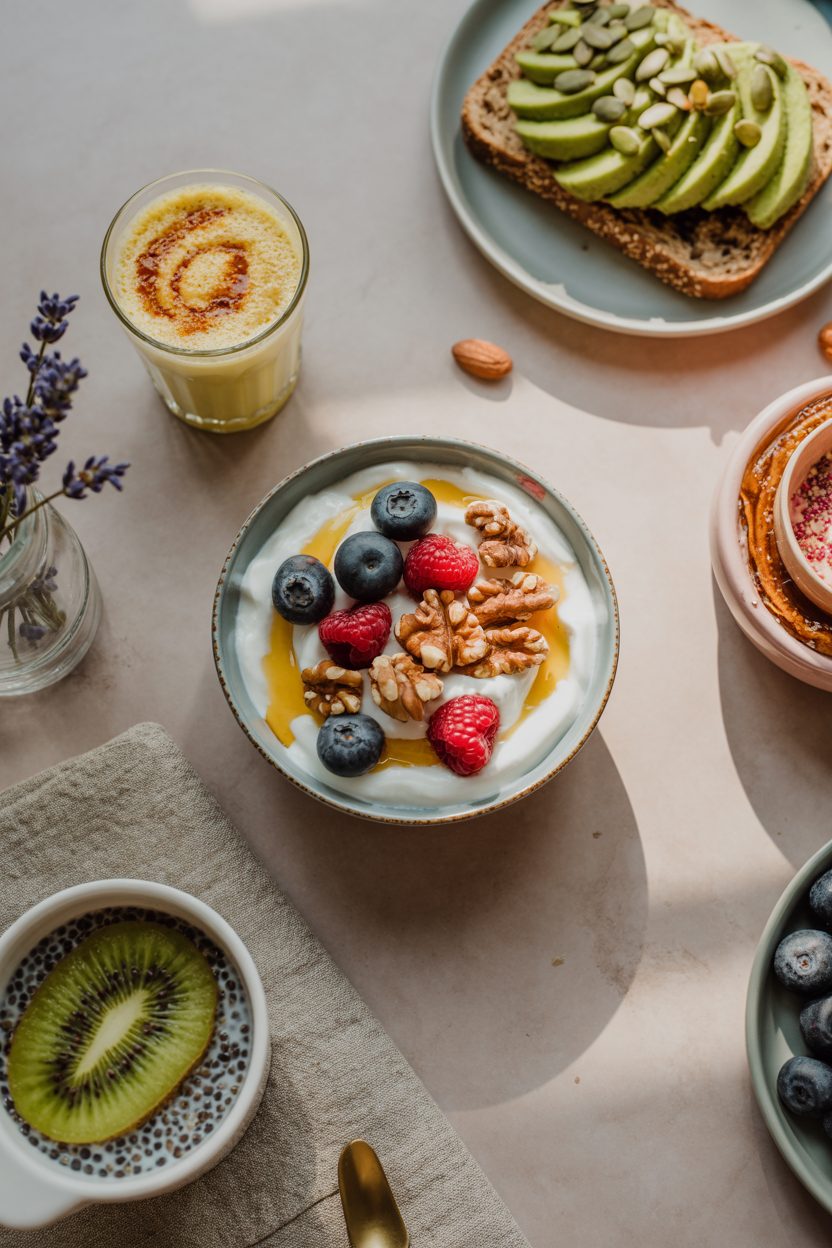
Breakfast: Greek yogurt bowl with berries, walnuts, chia seeds, and a drizzle of honey. The probiotics in yogurt support gut health, which is crucial for hormone metabolism. Your gut bacteria actually help metabolize estrogen—when your gut is messed up, so are your hormones.
Lunch: Turkey and avocado wrap using collard greens instead of a tortilla (or use a whole grain wrap if you’re not feeling that adventurous). Add sprouts, cucumber, and a tahini dressing. This keeps things light but filling without spiking blood sugar.
Dinner: Grass-fed beef stir-fry with tons of vegetables—bell peppers, snap peas, carrots, broccoli—over cauliflower rice. Use coconut aminos instead of soy sauce because soy can be problematic for some people’s hormone balance. Cook it all in a large wok or skillet with some avocado oil.
Snacks: A handful of raw almonds or a small serving of dark chocolate (70% cacao or higher). Yes, dark chocolate made the list—it contains magnesium and antioxidants that actually help lower cortisol.
If you’re looking for more structured meal ideas during this reset phase, check out this 7-day anti-inflammation reset that breaks things down even further with simple, doable meals.
Week 2: Optimize and Balance
By week two, you’ve cleared out the inflammatory garbage. Now we’re focusing on foods that actively support hormone production and balance. This is where you start feeling the difference—more energy, better moods, less bloating.
Days 8-10: Hormone Support Intensifies
Breakfast: Veggie omelet with spinach, mushrooms, tomatoes, and goat cheese (if you tolerate dairy). Add a side of roasted sweet potato. Eggs are fantastic for hormones—they contain cholesterol, which your body needs to make steroid hormones like estrogen, progesterone, and testosterone.
Lunch: Lentil soup loaded with vegetables—carrots, celery, onions, kale—and seasoned with anti-inflammatory spices like cumin and coriander. Serve with a small side salad. Lentils provide plant-based protein and fiber that helps regulate blood sugar and clear excess hormones.
Dinner: Wild-caught salmon with roasted Brussels sprouts and a baked sweet potato. Season the salmon with dill and lemon. Brussels sprouts are cruciferous vegetables that contain compounds helping your liver metabolize estrogen more effectively.
Snacks: Celery sticks with sunflower seed butter, or a small bowl of mixed berries. Berries are antioxidant powerhouses that fight inflammation and oxidative stress.
Days 11-14: Solidifying the Changes
Breakfast: Chia pudding made with coconut milk, topped with sliced banana, hemp seeds, and cinnamon. I prep these in small mason jars the night before because morning-me is not functional enough for elaborate breakfast prep.
Lunch: Chicken and vegetable soup with bone broth as the base. The collagen and amino acids in bone broth support gut healing, which indirectly supports hormone balance. Add lots of veggies—zucchini, carrots, celery, kale.
Dinner: Grass-fed burger (no bun) with a side of roasted root vegetables—carrots, parsnips, beets. Top the burger with avocado, lettuce, tomato, and sautéed mushrooms. Use a cast iron skillet for perfect searing.
Snacks: Sliced cucumber with guacamole, or a handful of pumpkin seeds. Pumpkin seeds are rich in zinc, which is essential for hormone production and immune function.
For women dealing with specific hormonal challenges, this 14-day anti-inflammatory plan for women addresses those unique needs while keeping meals practical and delicious.
Foods to Emphasize for Hormone Balance
Not all foods are created equal when it comes to hormones. Here’s what deserves prime real estate on your plate:
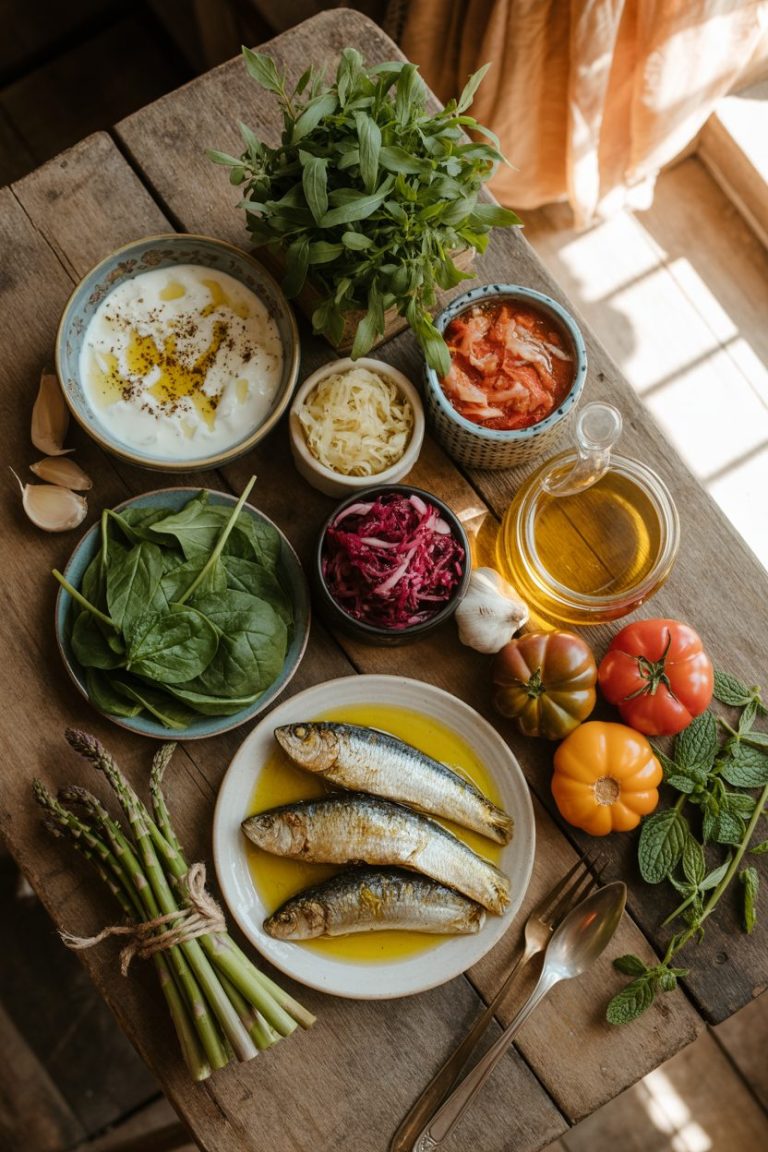
- Fatty Fish: Salmon, sardines, mackerel—loaded with omega-3s that reduce inflammation and support hormone production
- Cruciferous Vegetables: Broccoli, cauliflower, Brussels sprouts, kale—help metabolize estrogen properly
- Healthy Fats: Avocado, olive oil, nuts, seeds—your hormones are made from fat, so don’t skip this
- Fiber-Rich Foods: Vegetables, legumes, whole grains—bind to excess hormones and help eliminate them
- Fermented Foods: Sauerkraut, kimchi, yogurt—support gut health and hormone metabolism
- Antioxidant-Rich Foods: Berries, dark chocolate, colorful vegetables—fight inflammation and oxidative stress
The Mediterranean dietary pattern naturally includes most of these foods, which is why research consistently shows it supports hormonal health and reduces inflammation better than typical Western diets.
Foods to Minimize or Avoid
Some foods actively work against your hormone-balancing efforts. You don’t need to be perfect, but limiting these will speed up your results:
- Refined Sugar: Spikes insulin, promotes inflammation, feeds bad gut bacteria
- Processed Vegetable Oils: Canola, soybean, corn oil—high in omega-6 fats that promote inflammation
- Refined Grains: White bread, pasta, crackers—blood sugar roller coaster guaranteed
- Excessive Caffeine: More than 2 cups daily can elevate cortisol and mess with sleep
- Alcohol: Impairs liver function and hormone metabolism, disrupts sleep
- Processed Meats: Bacon, deli meat, sausage—contain preservatives that promote inflammation
IMO, the hardest one is sugar because it’s hidden in everything. Check labels—you’d be shocked how many “healthy” foods are loaded with added sugar.
The Gut-Hormone Connection You Can’t Ignore
Your gut does way more than digest food. It’s actually a major player in hormone regulation. Your gut bacteria help metabolize estrogen, produce neurotransmitters, regulate inflammation, and even influence insulin sensitivity.
When your gut microbiome is out of balance—from antibiotics, poor diet, stress, or chronic inflammation—hormone problems follow. You might develop estrogen dominance because your gut isn’t clearing estrogen properly. Or you might feel anxious and depressed because your gut isn’t producing enough serotonin.
This is why this plan emphasizes gut-healing foods: bone broth, fermented vegetables, fiber-rich plants, and probiotic-rich foods. If you’re dealing with digestive issues alongside hormone problems, they’re probably connected. Check out this gut-healing Mediterranean menu for even more targeted support.
I keep glass fermentation jars in my kitchen because making your own sauerkraut is ridiculously easy and way cheaper than buying it. Plus, homemade has way more beneficial bacteria.
Supplements Worth Considering
Food should always come first, but certain supplements can support your hormone-balancing efforts. Always talk to your doctor before starting anything new, especially if you’re on medication.
Magnesium: Most people are deficient, and it’s crucial for cortisol regulation, sleep, and hormone production. I take magnesium glycinate before bed.
Omega-3s: If you don’t eat fish regularly, a high-quality fish oil supplement helps fight inflammation.
Vitamin D: Essential for immune function and hormone production. Most people need to supplement, especially in winter.
Probiotics: Support gut health and hormone metabolism. Look for strains like Lactobacillus and Bifidobacterium.
Adaptogenic Herbs: Ashwagandha, rhodiola, and holy basil help your body adapt to stress and regulate cortisol. Use them carefully and cycle them.
I’m not a doctor, so seriously—get your levels checked and work with a practitioner who understands functional medicine. Supplements can help, but they’re not magic pills that fix everything.
Lifestyle Factors That Make or Break Your Results
You can eat perfectly and still struggle with hormones if you’re not sleeping, moving your body, or managing stress. This isn’t just about food—it’s about creating an environment where your hormones can actually balance.
Sleep: The Non-Negotiable
Poor sleep absolutely destroys hormone balance. It elevates cortisol, messes with insulin sensitivity, disrupts growth hormone and leptin, and makes you crave sugar like crazy. Aim for 7-9 hours per night. Make your bedroom dark, cool, and quiet. Turn off screens an hour before bed.
I use a sleep mask and white noise machine because apparently I’m a princess who needs perfect conditions. But honestly? They help.
Movement: Find What Doesn’t Suck
Exercise helps regulate insulin, reduces inflammation, lowers cortisol (when done right), and supports healthy hormone metabolism. But crazy intense workouts every day can backfire by elevating cortisol too much.
Mix it up: strength training, walking, yoga, swimming. Find movement you actually enjoy so you’ll stick with it. I do yoga with a quality yoga mat that doesn’t slide around because eating floor is not part of my practice.
Stress Management: Actually Do It
Yeah, “just relax” is annoying advice, but chronic stress is killing your hormone balance. Find something that works—meditation, deep breathing, time in nature, journaling, therapy. Even five minutes of deep breathing daily helps lower cortisol.
I use a meditation app subscription because apparently I need someone to tell me to breathe. Whatever works, right?
What to Expect During These 14 Days
Let’s keep expectations realistic. You’re not going to wake up on day 15 with perfect hormones and zero inflammation. But you should notice some changes:
Week 1: You might feel worse before you feel better. Cutting out sugar and processed foods can cause headaches, fatigue, and cravings. Push through—it usually improves by day 4 or 5. You should notice less bloating and more stable energy by the end of week one.
Week 2: Energy improves, mood stabilizes, cravings decrease. Your skin might start looking clearer. Sleep quality often improves. Women frequently notice less PMS and more regular cycles within a month or two of eating this way.
Give your body time. Hormones don’t shift overnight. Some people feel dramatically better in two weeks; others need a month or more. Everyone’s starting point is different.
After the 14 Days: Making It Sustainable
This plan isn’t meant to be a temporary fix you do once and then go back to eating garbage. The goal is to establish a foundation you can maintain long-term with flexibility.
Use the 80/20 rule: eat this way 80% of the time, and don’t stress about the other 20%. Go out with friends. Have the birthday cake. Enjoy the wine sometimes. Just make anti-inflammatory, hormone-supporting foods your default most of the time.
Meal prep makes this way easier. Spend a couple hours on Sunday cooking grains, roasting vegetables, and prepping proteins. Store everything in glass meal prep containers so you can throw together quick meals during the week.
If you want to extend the benefits or need more variety, consider trying this 30-day anti-inflammation challenge that provides even more meal ideas and structure.
Troubleshooting Common Issues
Still Tired?
Get your iron, B12, vitamin D, and thyroid levels checked. Nutritional deficiencies and thyroid problems often hide behind general fatigue. Also look at your sleep quality—quantity isn’t everything.
Not Losing Weight?
Hormone balance isn’t primarily about weight loss, though many people do lose weight once hormones normalize. If weight is a concern, check portion sizes, make sure you’re eating enough protein, and focus on strength training to build muscle.
Still Breaking Out?
Skin issues often take longer to clear because hormones need time to balance. Consider dairy—it’s inflammatory and hormone-disrupting for many people. Also look at your skincare products for endocrine disruptors.
Digestion Is Worse?
The sudden increase in fiber might overwhelm your system if you’re not used to it. Add fiber gradually, drink more water, and consider a digestive enzyme supplement temporarily. If problems persist, you might have underlying gut issues that need professional attention.
The Inflammation-Hormone Balance Connection in PCOS and Endometriosis
Both conditions involve chronic inflammation and hormonal disruption. PCOS is characterized by insulin resistance and elevated androgens, while endometriosis involves inflammatory lesions throughout the pelvic cavity.
This anti-inflammatory eating pattern can significantly help both conditions. For PCOS, the blood sugar stabilization and anti-inflammatory foods improve insulin sensitivity and can help regulate cycles. For endometriosis, reducing systemic inflammation may help manage symptoms and potentially slow disease progression.
Neither condition can be cured by diet alone, but nutrition is a powerful tool for symptom management. If you’re dealing with either, work with a healthcare provider who understands functional nutrition.
Related Meal Plans to Explore
If this 14-day plan resonates with you but you want different approaches or longer programs, here are some excellent options:
For Mediterranean-Focused Plans:
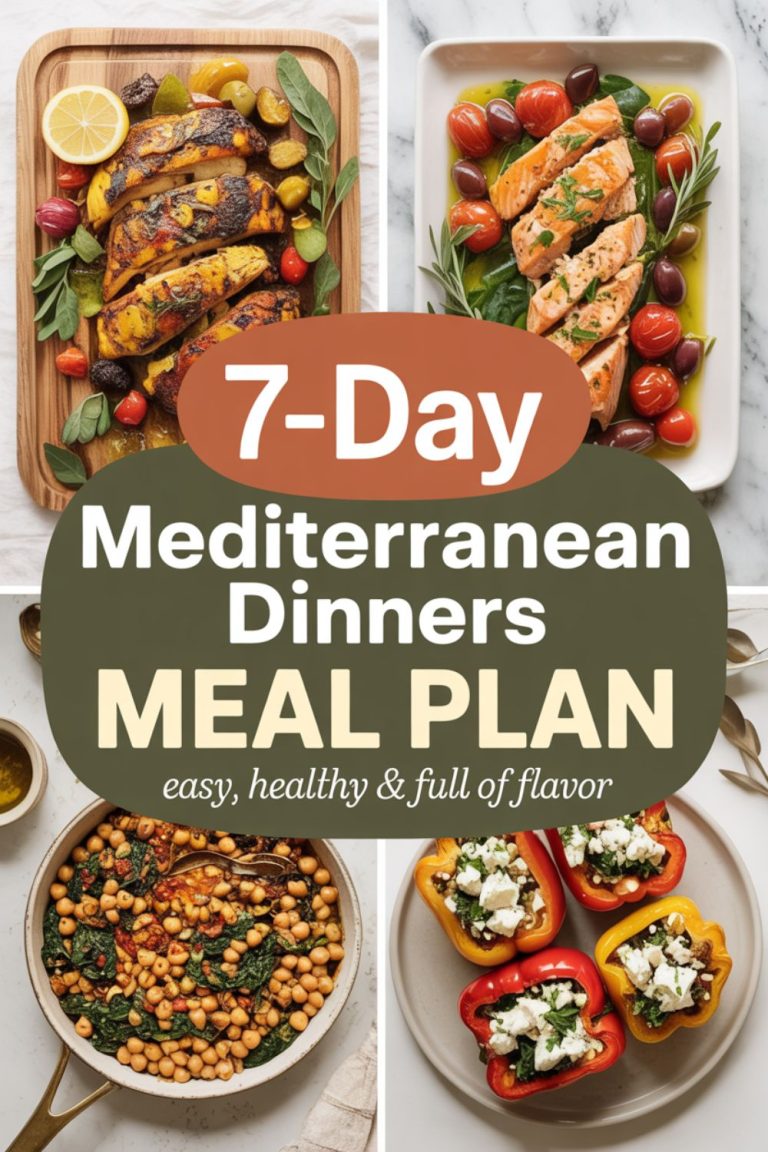
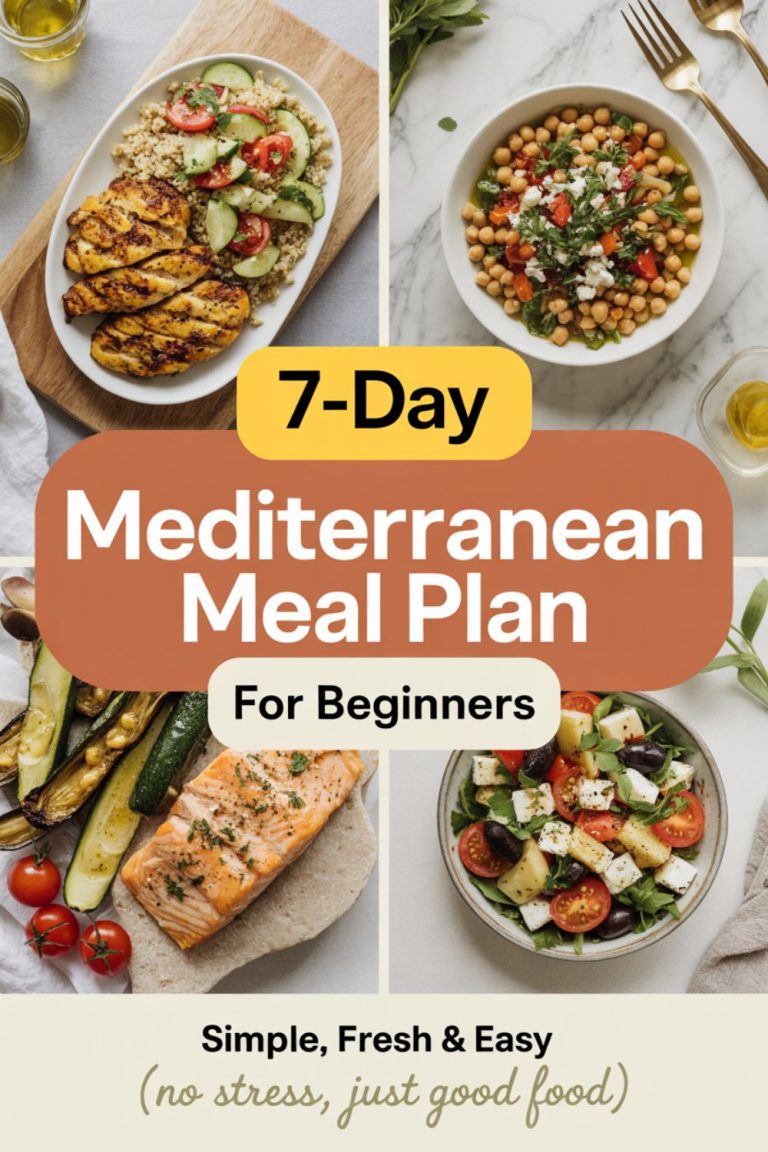
- 7-Day Mediterranean Anti-Inflammation Meal Plan – combines anti-inflammatory eating with Mediterranean flavors
- 14-Day Mediterranean High-Protein Anti-Inflammatory Plan – perfect if you need more protein for muscle maintenance or satiety
For Extended Programs:
- 30-Day Mediterranean Wellness Plan – comprehensive approach to overall health
- 30-Day High-Fiber Anti-Inflammation Program – emphasizes gut health and inflammation reduction
For Specific Concerns:
- 7-Day Mediterranean Anti-Bloat Plan – focuses on reducing bloating while supporting hormones
- 7-Day Mediterranean High-Fiber Meal Prep Plan – batch-cooking friendly for busy schedules
Final Thoughts: Your Hormones Deserve Better
Look, hormone problems are exhausting. The fatigue, mood swings, weight gain, skin issues, irregular cycles—it all adds up to feeling like your body is working against you. And it kind of is when inflammation and hormonal chaos team up.
But here’s the thing: you have way more control than you think. The food you eat three times a day directly influences inflammation and hormone production. Every meal is an opportunity to either fuel the problem or support the solution.
This 14-day plan isn’t about perfection. It’s about giving your body a break from the inflammatory assault and providing the nutrients it needs to restore balance. Will two weeks fix everything? Probably not. But it’s a solid foundation for lasting change.
Start where you are. Maybe you can’t overhaul everything at once—that’s fine. Pick one meal to focus on. Get breakfast right for a week, then add lunch. Progress matters more than perfection.
Your hormones want to work properly. They’re not trying to torture you. They just need the right raw materials and a less inflammatory environment. Give them that, and your body will start finding its way back to balance.
And FYI, this isn’t a quick fix or magic solution. It’s a sustainable approach that actually addresses root causes instead of just masking symptoms. That’s worth the effort.
It would be really helpful for recipes to be attached to make grocery shopping for this plan easier.